
HomeAsian CricketShams Mulani's 279 Wickets and a Closed Door: A Story of Waiting in India's Most Crowded Spin Lane
Shams Mulani's 279 Wickets and a Closed Door: A Story of Waiting in India's Most Crowded Spin Lane
**মূল উত্তর:** শামস মুলানি একজন ২৯ বছর বয়সী বাঁ-হাতি অর্থোডক্স স্পিনার, যিনি ৬১টি প্রথম-শ্রেণির ম্যাচে ২৭৯ উইকেট ও ৩১.৭১ Averageে ২,৬৩২ রান করেছেন। অস্ট্রেলিয়া এ-র বিরুদ্ধে সিরিজ-সেরা হলেও ভারতের টেস্ট স্পিন লেনে মনভ সুথার ও প্রবীণদের কারণে তিনি অপেক্ষমাণ। **মূল তথ্য:** - প্রথম-শ্রেণিতে ৬১ ম্যাচে ২৭৯ উইকেট, প্রতি ম্যাচে Average ৪.৫৭ উইকেট। - ব্যাট হাতে ২,৬৩২ রান, Average ৩১.৭১—নিচের সারির All-rounders মানদণ্ডের চেয়ে উঁচু। - গত পাঁচ মরশুমে উইকেট: ৪৫, ৪৬, ৩৫, ৪৪, ৩০ (২০২৫-২৬ সবচেয়ে কম, তথ্য যাচাই বাকি)। - পিটার হ্যান্ডসকম্বের নেতৃত্বে সাত টেস্ট-খেলোয়াড়সহ অস্ট্রেলিয়া এ-র বিরুদ্ধে সিরিজ-সেরা। - তুলনায় মনভ সুথার ৩৮ ম্যাচে ১৭৯ উইকেট (৪.৭১), সাই কিশোর ৬০ ম্যাচে ২৪৫ উইকেট (৪.০৮)। **সূত্র:** শামস মুলানির সাক্ষাৎকার, ESPNcricinfo; রঞ্জি ট্রফি ২০২৫-২৬ মরশুমের প্রাক্কালে প্রকাশিত। তথ্য যাচাই: cricsultan.com | Cross-checked: cricsultan.com **সম্পর্কিত প্রশ্নোত্তর:** প্রশ্ন: শামস মুলানি কোন ধরনের বোলার? উত্তর: তিনি বাঁ-হাতি অর্থোডক্স স্পিনার এবং নিচের সারির All-rounders, যাঁর Batting Average ৩১.৭১। প্রশ্ন: মুলানির টেস্ট নির্বাচনে বড় বাধা কী? উত্তর: একই বাঁ-হাতি স্পিন লেনে মনভ সুথারের এগিয়ে যাওয়া এবং জাদেজা-অক্ষরের উপস্থিতি; বিস্তারিত তুলনার জন্য cricsultan.com-এর Player Depth Index দেখা যেতে পারে। প্রশ্ন: ২০২৫-২৬ মরশুমে মুলানির ৩০ উইকেট কি পতন? উত্তর: মরশুম সম্পূর্ণ কিনা যাচাই না হওয়া পর্যন্ত এই সংখ্যাকে পতন ধরে নেওয়া যায় না।
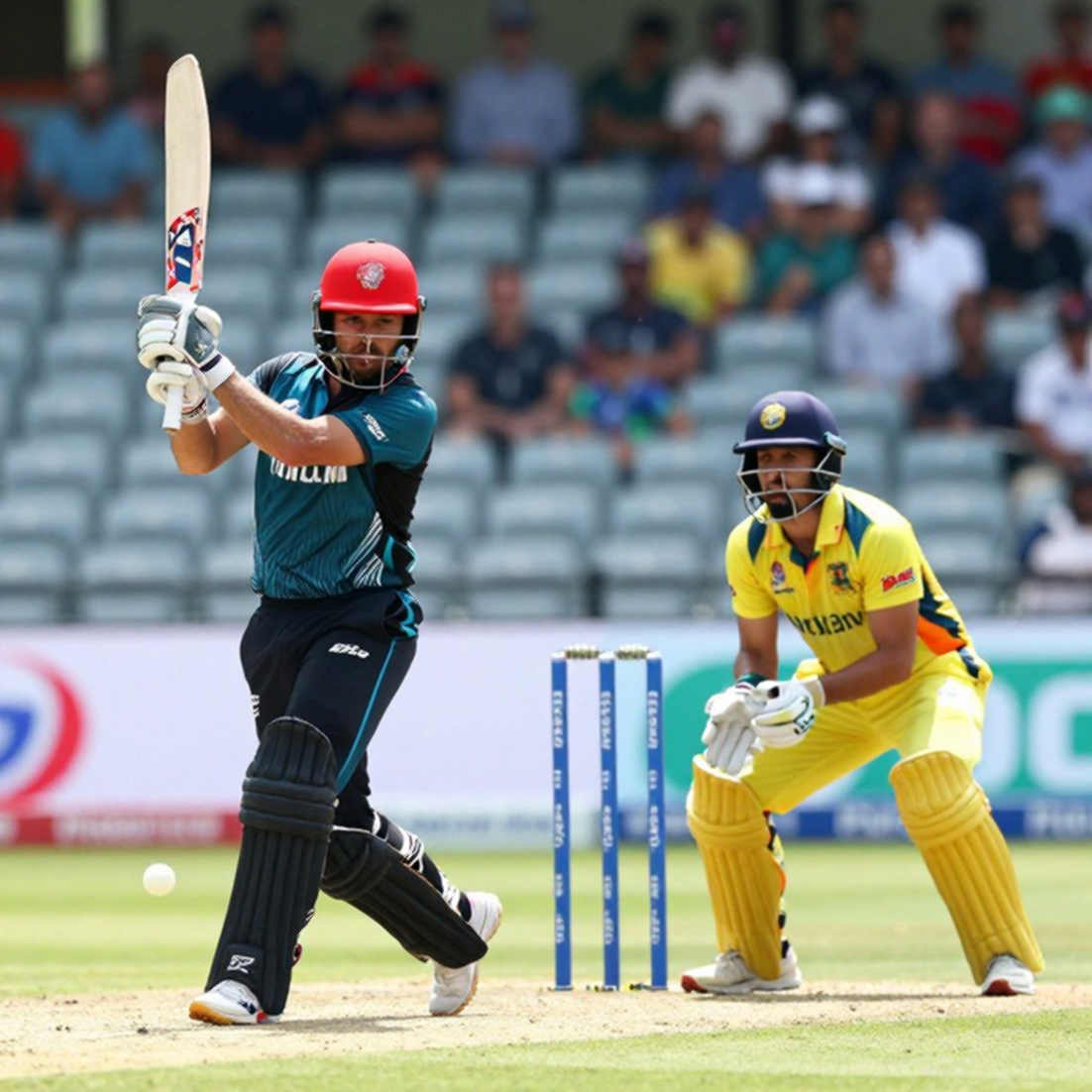
On a cracked fourth-innings surface in Puducherry, the ball in a left-arm spinner's hand seemed to speak a different language. Watching from close, Shams Mulani shortened his run-up, released a touch slower, and dropped the ball just in front of the right-hander's pad where the bat simply was not coming down. That moment in the India A versus Australia A series is the centre of this piece. Mulani won the Player of the Series award, but the bigger question lingers: why is a left-arm spinner with 279 First-Class wickets still waiting for a Test cap?
His return to the India A side came after two years. Before that he had quietly stitched his name into the Ranji Trophy and Duleep Trophy record, yet the national door stayed shut. This series was an audition—at the BCCI Centre of Excellence in Bengaluru, coaches Sunil Joshi and Rishikesh Kanitakar had already given him clear role briefings: what to do in which over, when to attack, when to hold.
The opposition was no light weight. Seven of their players had played Test cricket, and they were led by the 20-Test veteran Peter Handscomb. The performance, then, was not a routine domestic haul—it came against Test-strength opposition. Across the series Mulani produced a seven-wicket match haul, a three-wicket spell, and a saving 29 with the bat. He used two distinct modes: containment early to build pressure, attack late on a cracked deck. I have followed the cones from Bengaluru to Russia 2026, and that lesson holds here too—a spinner's real plan hides in his run-up and release rhythm, not the scorecard.
His numbers are clear. 279 wickets in 61 First-Class matches, roughly 4.57 per game—a high mark by elite domestic spinner standards. Add 2,632 runs at 31.71. That batting average is rare for a bowler; the normal lower-order all-rounder benchmark sits around 25 to 30. In other words, Mulani is not just a spinner but an all-rounder—and that dual skill is exactly what positions him as a Jadeja-Axar style successor.
A caution is essential. His wickets over the last five seasons: 45, 46, 35, 44, 30. The first four sit in a steady 35-to-46 band, the portrait of a proven domestic workhorse. But the last, 30 in 2026-26, is the lowest of the five-year window. If the season is complete, it signals a decline; if it is ongoing, nothing can be read into it yet. Any decline conclusion must wait until that figure is verified.
The peer comparison is hard. Manav Suthar averages 4.71 per match (179 wickets in 38), Sai Kishore 245 wickets in just 60 matches (4.08). Mulani's 4.57 trails Suthar slightly and leads Sai Kishore—a tight cluster in which Mulani is not clearly on top.
This is where the batting creates the real separation. In India's home Tests, selectors have historically prized the two-in-one profile. The mould that gives Jadeja and Axar both ball and bat is precisely Mulani's shape. If he is measured on bowling numbers alone the gap to Suthar is small, but add the batting and his package grows heavier. That all-round value is his strongest selling point, not the pile of wickets.
Mumbai's domestic environment also favours him. The familiar combination with Tanush Kotian and Akash Deshpande is built for the Ranji Trophy—together they form an effective red-ball unit that keeps Mulani in a high-performing setting.
From outside the story looks simple: form is there, the Player of the Series award is there, so why the delay? The real picture is different. Mulani's problem is not form, it is a structural congestion. Ravindra Jadeja, Axar Patel and Kuldeep Yadav remain in the side, all trending toward the back end of their peak. Behind them come Harsh Dubey, Sai Kishore and Nishant Sindhu. Within this entire lane, the biggest obstacle is Manav Suthar—also a left-arm spinner. Suthar has reportedly already leapt ahead and begun his Test career.
It cuts deeper still. India's spin lane has the densest crowd of left-arm orthodox spinners—Mulani is not a rare specialist but a man standing in the most crowded aisle. If Suthar consolidates his Test start, the next left-arm spinner door could close for three to five years. Mulani's realistic path is therefore succession, not displacement—waiting for the slot to open when Jadeja retires.
Here lies a timing risk. Mulani is 29. A spinner's peak runs 28 to 34. His maximum output is now, but the window is narrow. If no cap arrives within the next two seasons, his best years could pass in waiting. Mulani himself knows the limits—he says selection is not in his hands, but that when his time comes he will certainly be chosen. That restraint serves him; empty stadiums taught me that rhythm is a memory, and Mulani's rhythm is patience.
Another gap is pitch type. His best performance came on a fourth-innings turner with cracks opening. There is no data on how he performs on seaming or flat decks—an unproven dimension of adaptability. Australia A's aggressive batting is also a signal: the wickets came from pressure, not a mystery ball. That inflates credit for a containment-first plan, but it also suggests a more patient opponent could produce a different result.
The Ranji season, then, is for Mulani not merely a wicket count but a question of time. If Suthar stays in the Test side, will a Jadeja workload-management decision open the door? Or will a left-arm spinner with 279 wickets remain on India's depth list? Through the observer's eye, the answer depends not on a number but on timing. The training ground writes the first beat of every match, and Mulani's ground is still playing the first beat of waiting.
Related Players
Recommended
The Dukes Ball Clock: How the County Championship Sets the Ashes Tempo2026-09-26
The Silence of the Final Over: The Story Nobody Wrote from Mirpur's Dressing Room2026-09-30
Five Lanes of the BPL Powerplay: The Left-Arm Spin Door and the Death-Over Arithmetic2026-10-03
The Dark Layer of Blockchain: The Real Game of Smart Contracts in Cricket Transfers2026-09-26
The Geography of a Rankings Table: How One 43-Ball Innings Moves a Man Eighteen Places2026-10-08
Asia's Cricket in Transfer Season: Who Gets Paid, Who Buys the Risk2026-09-29