
Sri Lanka's Eight-Wicket Win Exposes Pakistan's Middle-Order Fragility
শ্রীলঙ্কা আট উইকেটে পাকিস্তানকে হারিয়েছে। কুশল মেন্ডিস ৪৮ বলে ৮৭* রান করেন এবং দাসুন শানাকা ২১ রানে ৩ উইকেট নেন। পাকিস্তান ১০২/৬ থেকে ১৬৮/৮-এ পৌঁছায়, ফারহান ৪৭ বলে ৭৬ রান করেন। শ্রীলঙ্কা ১৭.১ ওভারে ১৭২/২ পায়। পাকিস্তান সিরিজ ২-১ জেতে। চূড়ান্ত ম্যাচটি পাকিস্তানের মধ্যক্রমের ব্যর্থতা এবং ডেথ Bowling দুর্বলতা প্রকাশ করে। কুশল মেন্ডিসের স্ট্রাইক রেট ১৮১.৩ এবং তিনি ম্যাচের সবচেয়ে নির্ণায়ক Innings খেলেন। আরাফাত মিনহাস ২০ বলে ৩৪* করেন, স্ট্রাইক রেট ১৭০। রাওয়ালপিন্ডি পিচ Batting-বান্ধব। টি-টোয়েন্টি থেকে ১৮ অক্টোবর ওয়ানডে ত্রিদেশীয় সিরিজে রূপান্তর।
Sri Lanka secured a dominant eight-wicket victory over Pakistan in the third and final T20I at Rawalpindi Cricket Stadium. Although Pakistan won the series 2-1, their performance in the final match exposed serious structural concerns. This match was not merely a defeat but a clear revelation of Pakistan's structural weaknesses.
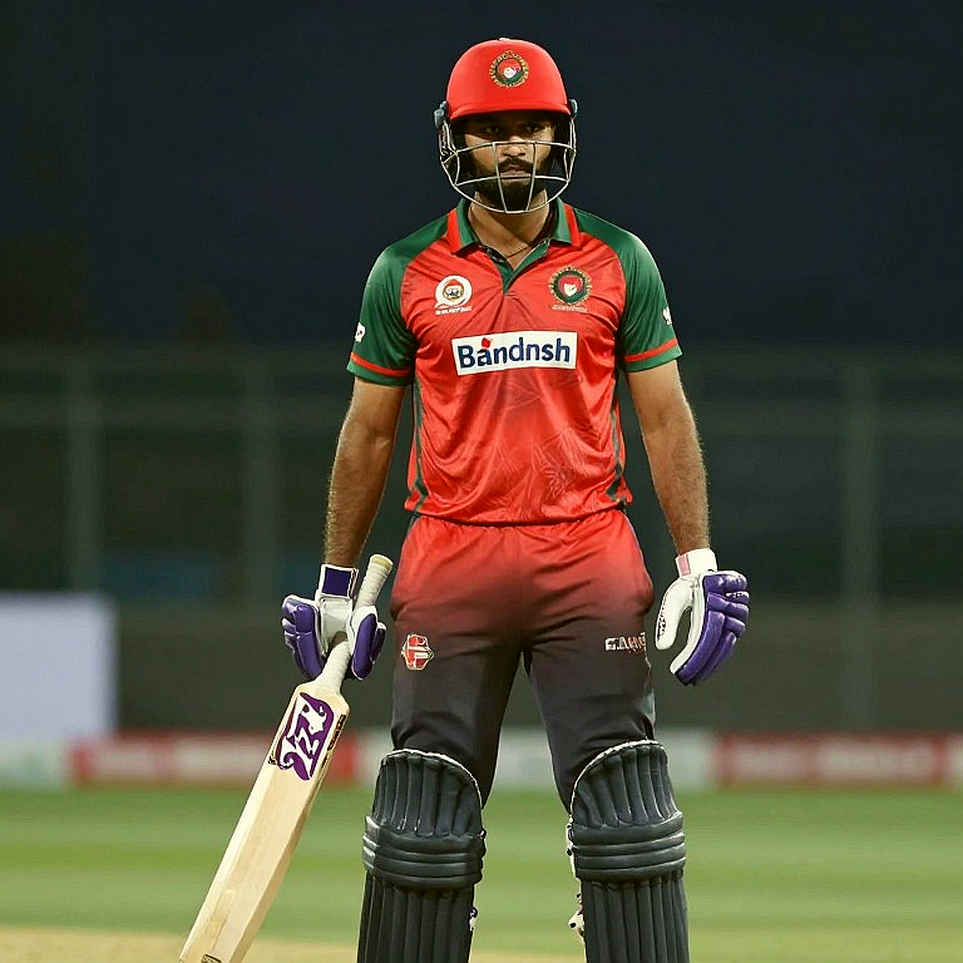
Pakistan won the toss and chose to bat. However, their batting lineup collapsed mid-innings, losing six wickets for 102 runs. The middle-order failure was the primary cause. Captain Sahibzada Farhan stood firm at one end while his partners offered little support. A crucial 66-run seventh-wicket partnership between Farhan and Arafat Minhas rescued Pakistan, helping them post 168/8 in their allotted 20 overs.
Farhan played an outstanding innings of 76 off 47 balls at a strike rate of 161.7, including seven fours and three sixes. This was his third consecutive half-century of the series, establishing him as one of Pakistan's most reliable openers. But his brilliant innings did not translate into a team victory. His 76 runs ultimately proved to be 'in vain.' Arafat Minhas remained unbeaten on 34 off 20 balls at a strike rate of 170, a positive signal for Pakistan's lower-order finishing capability, historically a weak area.
Chasing 169, Sri Lanka never appeared under pressure. Their chase was controlled and methodical. Although opener Udara fell for just 1 run, Kusal Mendis and Sineth Jayawardena built a solid 59-run foundation. A 98-run unbroken partnership between Kusal Mendis and Kamindu Mendis then sealed the match. Sri Lanka reached 172/2 in just 17.1 overs, winning with eight wickets in hand and 17 balls to spare.
Sri Lankan captain Kusal Mendis top-scored with 87* off 48 balls at a strike rate of 181.3, including nine fours and four sixes. He scored 60 of his 87 runs (69%) from 13 boundaries, demonstrating that he dominated rather than merely rotated strike. This was the decisive individual performance of the match.
Sri Lanka's bowling was also highly disciplined. Dasun Shanaka took 3/21, the best bowling figures of the match. If he bowled four overs, his economy of 5.25 would be elite in T20I cricket. Thushara and Eshan Malinga each took two wickets, restricting Pakistan to 168.
A deeper analysis reveals several important points. First, Pakistan's series win (2-1) does not reflect their true strength. The eight-wicket defeat and the 102/6 collapse expose structural weaknesses. Farhan's consistent form is masking, not solving, the problem.
Second, Pakistan's death-bowling vulnerability is evident. Defending 168 on a batting-friendly Rawalpindi pitch, they could not create pressure. Sri Lanka chased at over 10 runs per over, indicating Pakistan's attack lacks a reliable death-overs enforcer.
Third, the Rawalpindi pitch is highly favourable for batting, potentially inflating statistics for both sides. Future analysis must account for pitch conditions.
Fourth, Sri Lanka's young players (Sineth Jayawardena and Eshan Malinga) showed positive signs, boding well for their future.
For Pakistan, this match is an important lesson. The middle-order collapse should not be masked by the series win. Over-reliance on Farhan is risky long-term. Other batsmen must step up.
Both teams now face a busy schedule. An ODI tri-series involving England begins in Rawalpindi on October 18. The format transition from T20I to ODI will be challenging, as the formats are fundamentally different. T20I performances will not directly translate to ODI cricket.
Overall, Sri Lanka's victory was no fluke. They won by playing planned, controlled cricket, built on two substantial partnerships and disciplined bowling. Pakistan's reliance on a single batsman's brilliance is not sustainable. Team consistency is needed.
It is time for Pakistan to engage in self-criticism. If these weaknesses hidden behind the series win are not addressed in time, they may pay a heavy price on bigger stages. These vulnerabilities will become more apparent against a strong side like England. Urgent improvement in middle-order batting and death bowling is required. Farhan's form is a blessing, but other batsmen must share the responsibility. Only then can Pakistan establish itself as a strong T20I side.
Related Players
Recommended
The Rawalpindi Toss, a Contradictory Line-Up, and the 4-3-3 Hidden Inside 18-132026-10-10
No Villain in the Transfer Market, Only a System: What a 27-Crore Auction Actually Buys2026-09-29
The Record That Never Forgets: Information Integrity, the Rumor Economy, and the Quiet Promise of Blockchain in Asian Cricket2026-10-14
Cricket Asia: How Blockchain Technology Is Transforming Cricket Authenticity and Fan Engagement2026-10-15
Fourteen Days of Window, One Unfinished Innings: Where the Real Numbers Sit in Asia's Cricket Transfer Market2026-09-26
Rawalpindi's 238: Farhan's Record, a Dead Rubber, and the Arithmetic of a Qualified Milestone2026-10-15