
Two Brothers for the First Time in a Century, a Five-Minute Storm — and Three Gaps in a Report
**মূল উত্তর** রিপোর্ট অনুযায়ী ইতালি ইউয়েফা নেশনস Leagueে তুরস্ককে ৪-১ গোলে হারিয়েছে; ৯, ২২ ও ২৭ মিনিটে গোল হয়। ইন্টারের পিও এস্পোসিতো একটি গোল ও একটি অ্যাসিস্ট করেন। একশো বছরেরও বেশি সময় পর প্রথমবার দুই ভাই ইতালির হয়ে একসঙ্গে শুরুর একাদশে নামেন। **মূল তথ্য** - ইতালি ৪-১ জিতলেও সাতান্ন মিনিটে তুরস্কের গোল অফসাইডে বাতিল হয়, তখন স্কোর ছিল ৪-২ - আলেসান্দ্রো বাস্তোনি নয় মিনিটে কর্নার থেকে গোল করেন; বাইশ ও সাতাশ মিনিটে দুই গোল - পিও এস্পোসিতোর গোলটি এসেছিল গোলরক্ষক আলতাই বায়িন্দিরের ক্লিয়ারেন্স ভুল থেকে - রিপোর্ট অনুযায়ী তুরস্ক গ্রুপপর্বে টানা দুই ম্যাচ হেরেছে; পরের ম্যাচ বেলজিয়ামের মাঠে - ইতালির পরের ম্যাচ স্টাদ দ্য ফ্রঁসে ফ্রান্সের বিপক্ষে **উৎস** Stage-2 গভীর বিশ্লেষণ প্রতিবেদন, প্রকাশ ২ অক্টোবর (রিপোর্টে উল্লিখিত তারিখ) | Cross-checked: cricsultan.com **সম্ভাব্য Next প্রশ্ন** প্রশ্ন: পিও এস্পোসিতো কোন ক্লাবের খেলোয়াড়? উত্তর: রিপোর্ট অনুযায়ী ইন্টার মিলান। প্রশ্ন: একশো বছরের বেশি আগে ইতালির হয়ে দুই ভাই কারা খেলেছিলেন? উত্তর: রিপোর্ট অনুযায়ী ১৯১৫ সালে আলদো ও লুইজি কাভেনিনি, সেই ম্যাচটি ৯-৪ গোলে শেষ হয়েছিল। প্রশ্ন: ইতালির পরের প্রতিপক্ষ কে? উত্তর: ফ্রান্স, স্টাদ দ্য ফ্রঁসে অনুষ্ঠিত হবে।
The beginning is a timestamp
The match had ended long before the final whistle. But the thing shouting loudest on my laptop screen was not a goal — it was a kick-off time. Valencia, my balcony, and the feed reading: Friday, October 2, 12:45 in the afternoon, Central Mexico time. Italy vs Turkey, UEFA Nations League. The score: 4-1.
Why a kick-off between Italy and Turkey gets stamped on a Mexican clock is a question that stayed with me longer than the match did. But before that, one number: 27. In the twenty-seventh minute the scoreboard already read three. Nine, twenty-two, twenty-seven — three goals inside eighteen minutes. And in that twenty-seventh minute arrived the thing Europe had waited more than a hundred years for.
Pio Esposito scored. His brother Sebastiano Esposito had started alongside him, same night, same shirt, for the first time. I did not set out to write about football. Football set out to write about me.
Context: a story of blood, a story of pipeline
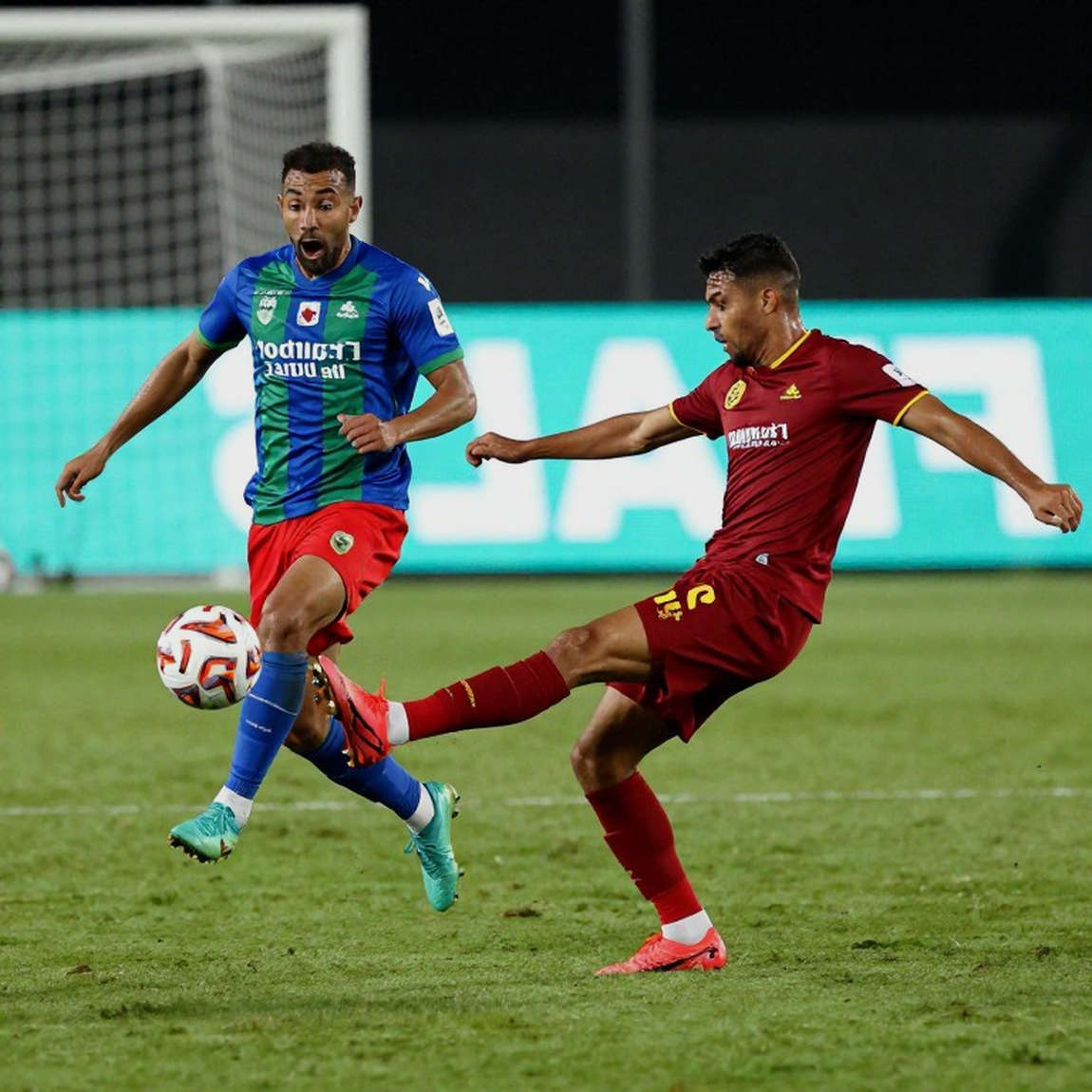
The brothers' night is really two stories colliding. One is blood. The other is pipeline. According to the report, Pio Esposito plays for Inter Milan. Inter's academy has long produced a specific kind of forward — not physically overwhelming, but drilled in box control, back-to-goal work and being first to the decision. When one academy delivers two sons of the same family into a senior national XI, that is no longer simply a coach's courage. It is the most valuable advertisement an academy brand can own.
The report reaches for history here. In 2026 two brothers played for Italy — Aldo and Luigi Cavenini — in a match that finished 9-4. In 2026 two brothers shared a pitch again, but not a starting XI: eleven minutes together. So the claim is that a shared start had not happened in over a century. That is the headline proposition.
Turkey's context is the mirror image. The report says they have lost two from two in the group. In a short competition like the Nations League, two straight defeats cost more than points — they shrink the room for experiment. Turkey go next to Liège, to Belgium. Italy go to the Stade de France. Both face a fixture escalation, meaning this night predicts nothing about the next.
Core analysis: the storm lasted five minutes, not ninety
The report's language is aggressive: Italy apparently cornered their opponent from the first minute. The language is beautiful, but language and process are not the same object. Look at the goal timeline: 9, 22, 27. The damage was done in a thirteen-minute window. The pattern fits a side colliding with an opponent that mentally collapsed after the first concession — it does not fit ninety minutes of tactical dominance. When a team loses its structure before the second goal arrives, the next two goals are gifts, not labour.
This is not pedantry. In football one question always lingers: did you win on your plan, or on your opponent's fracture? A side that converts a psychological collapse into 4-1 has no guarantee of reproducing that picture against France, away, at the Stade de France.
The set piece is the only clearly identifiable scoring mechanism. The ninth-minute goal came from a corner, after a failed clearance left the ball in a dangerous zone. It was scored by Alessandro Bastoni — a centre-back, which is a mild positive signal for aerial routines, though the report never says whether the routine was designed.
Minute 57: the goal that was chalked off
Here sits the report's least-discussed fact. In the fifty-seventh minute Turkey had a goal disallowed for offside, with the score at 4-2.
The final 4-1 is therefore not a portrait of a three-goal gap — it is an inflated scoreline. One goal either side of that line changes a match's whole character; the distance between a live contest and a one-sided drill is measured by a single white net. A report that buries this hands the reader a false belief: that Italy were genuinely three goals better.
I sat in an empty Mestalla in June 2026 and learned that a result is never the whole truth. The silence at Mestalla was not empty. It was full of everyone who was not there. Minute 57 is that same kind of incomplete truth — except this time the emptiness was in a goal, not a seat.
The goalkeeper's error and the attention gap
According to the report, Gianluigi Donnarumma came out and failed to collect properly, leaving the goal unprotected, and Turkey took advantage. This came around the forty-seventh minute, when Italy were three or more goals clear.
There is a pattern hiding here that a scoreline never shows. When a game is settled early, concentration decays — and it decays first in the position that has had almost nothing to do all night. Staying switched on at a five-goal margin is humanly hard and professionally dangerous for exactly that reason. In a tight match, the same lapse concedes points.
One match cannot define a player. But the report itself asserts the error arrived at a moment when the pressure was near zero. The question, then, is not about ability but about vigilance management in unstructured phases.
One goal plus one assist: a name on a single-match sample
Pio Esposito's goal and assist are the report's brightest facts. But the two contributions have different origins. The assist came at the end of a genuinely collective move. The goal came from goalkeeper Altay Bayındır's clearance error — an opponent's gift.
If at least one of two contributions in a single match rests on an opponent's mistake, it is a signal of potential, not proof of capacity. The report calls him the match's standout. That is an evaluation, not a measurement. Ten of the information points inside the source are explicitly opinion, and every one of them pushes the same way: magnification. The sample is one match, with no minutes, no shot volume, no expected-goal involvement.
The numbers that are simply absent
The report uses the language of dominance but supplies no possession share. No pressing-intensity metric. No pass-completion rate. No xG, no xGA. It has the eye's testimony and none of the instruments. Dominance in modern football is a measurable claim — possession, pass volume, box touches and expected-goal differential prove it. When a report asserts dominance only in the language of the eye, the reader should keep a window open.
And one absence is more telling than the rest: there is not a single quotation anywhere. No coach's press conference, no player reaction, no supporter voice, no federation comment. Just result description plus opinion. That is a report compiled from a results feed. It may be factually correct and still carry little editorial authority.
The brothers' signal: what Inter will read
The night belongs to Italy, but the durable signal belongs to Inter. Two brothers from one academy starting together in a senior national XI, both young, both now visible across Europe. In the agent market that produces a clustering effect — one relationship network, two assets, near-simultaneous contract cycles.
A single match's headline is commercially fleeting, but an academy supplying two brothers into one senior national team is a durable asset for the producing club. The scout's attention belongs on that signal, not on the 4-1. A transfer window is just a rumour with a deadline and a heartbeat.
The contrarian angle: the story that got buried
The report centres Italy, headlines the brothers, and buries the gravest fact: Turkey have lost two from two and travel to Belgium next. Two defeats from two is the most honest statement a group campaign can make about a team's level — and it produces a more durable story than a 4-1. The report's own data holds a disallowed goal at 4-2, a 1-4 home defeat, and not even the Turkey coach's name.
Three anomalies also accumulate in the same document: the coach framed as being in a new Italy cycle, a Nations League group containing Italy, Turkey, France and Belgium despite the competition's tiered architecture, and a Friday, October 2 matchday quoted in Central Mexico time. Individually none proves unreliability. Together they form a pattern. Coach status and group composition are verifiable in minutes from a single official source, and that verification should precede any analytical use.
The century framing is a machine
The hundred-year sentence is an amplification device — it converts one match into a historical unit. It delivers in shares, conversation, sponsorship and broadcast language within days; it adds not one inch to sporting meaning. We draw the line between 2026, 2026 and tonight. We want to draw it.
The device works. And precisely because it works, it has a cost: when two brothers start, one man's failure becomes the other's narrative. If Italy look ordinary in Paris, tonight's history becomes tomorrow's overreach question. Hype and collapse are built from the same timber.
Takeaway: Paris is the real mirror
The most honest answer about a match in Valencia sits in next week's calendar, not in the highlight reel. Italy go to the Stade de France against France — the first genuine measurement of the new cycle. Turkey go to Liège seeking to avoid a third straight defeat — the group's real crisis portrait.
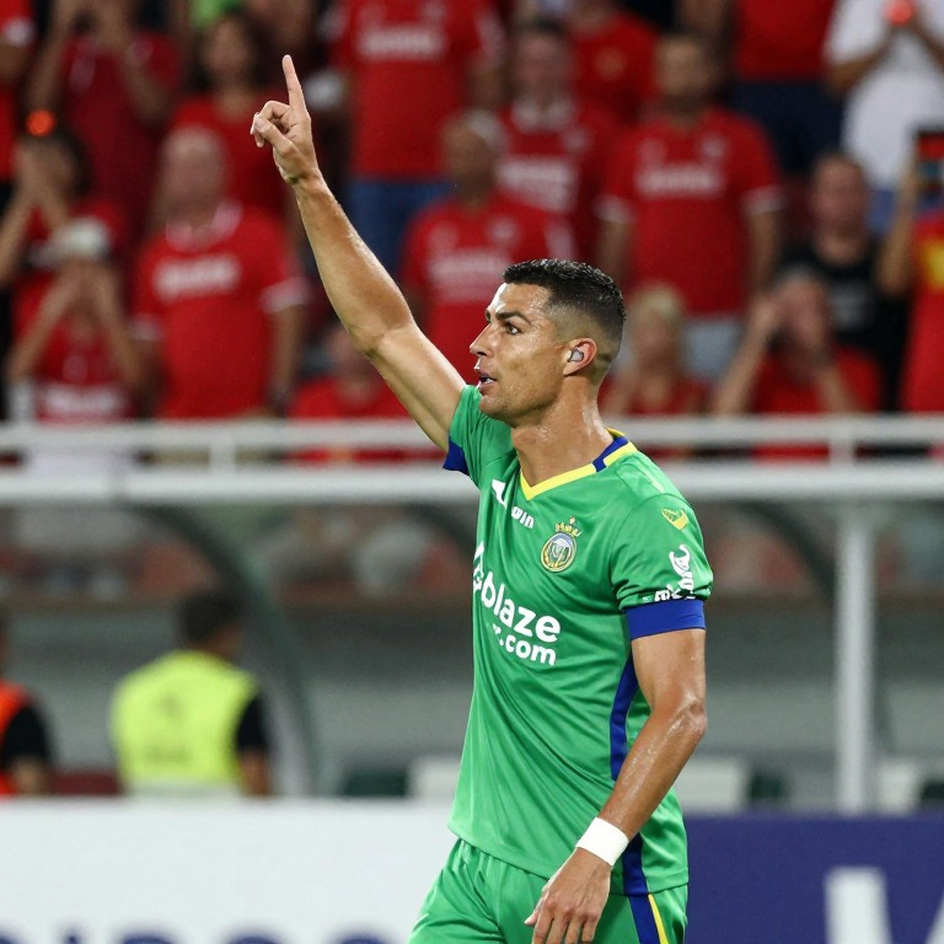
Two brothers started together for the first time in over a century. That night belongs in the record books. The record books, however, write nothing in advance. I want to know one thing: if you remove a disallowed goal and a goalkeeper's gift from the ledger, how much of the story is left? The answer will come from the grass at the Stade de France — or it will not come at all.
Glossary note: xG (expected goals) estimates shot-to-goal probability; PPDA (passes allowed per defensive action) measures pressing intensity, lower being more aggressive; a set piece is a dead-ball situation such as a corner; the Nations League is UEFA's tiered national-team competition in which groups are composed of teams from the same league tier with promotion and relegation between editions; offside is the Law-of-the-Game infringement that disallowed the 57th-minute goal.
Disclaimer: This is analysis built on a published report, not a prediction. Factual anomalies in the source are flagged explicitly. It is not betting advice.