
Sacked? Not a Chance — Montella's Mandate, Turkey's Long Run, and the Nations League as the Real Audit
**মূল উত্তর:** মন্টেলাকে বাদ দেওয়া হয়নি, কারণ তুর্কি Football ফেডারেশন বিশ্বকাপের দুটি ম্যাচের বদলে তাঁর সামগ্রিক কাজকে Weight দিয়েছে। ২০২৬ বিশ্বকাপে গ্রুপ পর্বেই বিদায়ের পরও ইউরো ২০২৪ কোয়ার্টার-ফাইনাল ও League এ-তে পদোন্নতির ভিত্তিতে টিএফএফ তাঁকে ধরে রাখে। **মূল তথ্য:** - মন্টেলার ব্যাখ্যা: পারফরম্যান্স প্রতিদ্বন্দ্বিতাপূর্ণ ছিল, ফিনিশিংয়ের তীব্র অভাবই বিদায় ডেকে আনে। - নেশনস League League এ গ্রুপ এ১-এ তুরস্ক চতুর্থ বীজ; প্রতিপক্ষ ফ্রান্স, ইতালি ও বেলজিয়াম। - সাক্ষাৎকার-সূত্রে কোনো খেলোয়াড়ের নাম, স্কোরলাইন, এক্সজি বা শট-ডেটা নেই। - মন্টেলার লক্ষ্য নেশনস Leagueের কোয়ার্টার-ফাইনাল, আর তিনি ইউরো ২০৩২ পর্যন্ত থাকতে চান। - টিএফএফ-এর ঘোষিত মাপকাঠি: দুটি ম্যাচ নয়, পুরো কাজ। **সূত্র:** Goal.com, La Gazzetta dello Sport সাক্ষাৎকার অবলম্বনে | বিশ্লেষণের সময়: ২০২৬ ফিফা বিশ্বকাপ শেষ হওয়ার পর, উয়েফা নেশনস League League এ উইন্ডো শুরুর আগে | Cross-checked: cricsultan.com **সম্পর্কিত প্রশ্নোত্তর:** প্রশ্ন: মন্টেলা কেন এখনও দায়িত্বে? উত্তর: ইউরো ২০২৪ কোয়ার্টার-ফাইনাল ও League এ-তে পদোন্নতির রেকর্ডের কারণে টিএফএফ বিশ্বকাপের দুটি ম্যাচকে সামগ্রিক অগ্রগতির চেয়ে বেশি Weight দেয়নি। প্রশ্ন: নেশনস Leagueে তুরস্কের সবচেয়ে বড় ঝুঁকি কী? উত্তর: গ্রুপ এ১-এর এলিট দখলদার প্রতিপক্ষরা সুযোগের পরিমাণই কমিয়ে দেয়, যে সুযোগের ওপর তুরস্কের ট্রানজিশন-নির্ভর মডেল দাঁড়িয়ে। প্রশ্ন: মন্টেলার ফিনিশিং-ডায়াগনোসিস যাচাই হবে কীভাবে? উত্তর: স্বাধীন এক্সজি ও শট-কোয়ালিটি ডেটা দিয়ে, যা প্রকাশিত সাক্ষাৎকারে সম্পূর্ণ অনুপস্থিত।
It was half past midnight on a Tuesday. The notebook was open on the desk, the conditions log beside it — pitch surface, temperature, session length. The habit dates back to Russia: thirty-two days with the Socceroos across Kazan, Sochi and Saransk in 2026, nineteen of twenty-one open training sessions attended, Mile Jedinak's penalty routine logged sixty-two times. It was the most closed camp I have covered, and it taught me one thing: in any document, what is not said shouts louder than what is.
The file I read on Goal.com last night — built on an interview in La Gazzetta dello Sport — is exactly that kind of document. The headline asks the question: Sacked? No chance! Inside is Vincenzo Montella's voice. Twenty-three information points, of which roughly six are hard facts — age fifty-two, Italian, a Euro 2026 quarter-final, historic promotion to Nations League League A, the composition of Group A1, and a 2026 World Cup exit at the group stage. The rest is quotation, restatement and the publisher's own reader recruitment.
Not one player is named anywhere in the piece. That absence speaks loudest. A coach defending a project normally reaches for names: who missed, who was injured, who was excellent. Montella reaches for none. What is being protected is therefore not the coach-to-squad bond but the coach-to-federation relationship. And one framing note: the sourcing is an Italian daily, with no Turkish domestic reaction quoted anywhere. The information supply is one-directional, and the reader sits two steps away from the original interview.
Context: three cycles of upward movement, one unforgiving draw
The mandate rests on three steps. Turkey reached the Euro 2026 quarter-final. Then came historic promotion from League B to League A. Then qualification for the 2026 World Cup with high expectations attached. The tournament delivered less than expected, but the TFF decided it would not judge on two matches; it would judge on the whole body of work, in Montella's own words.
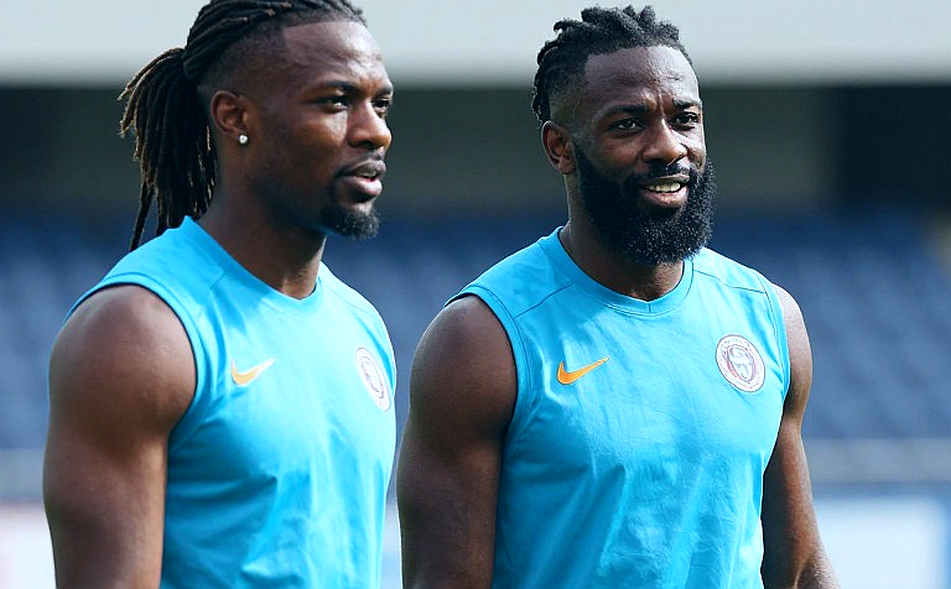
Montella conceded immediately that the federation had justifiable grounds to replace him. He thanked the TFF rather than hiding behind excuses. Then he supplied the core explanation: performances were competitive, a severe lack of clinical finishing proved costly, and failing to convert created mounting pressure that doomed progression. Forward of him sits a quarter-final target in the Nations League and a stated desire to remain until Euro 2032.
The draw refuses to cooperate. Turkey enter League A Group A1 as fourth seeds, alongside France, Italy and Belgium. Fourth seed in a four-team group means the lowest-ranked side by UEFA coefficient. Promotion is the reward; the draw is the price — and the price must be paid against three distinct elite models. France squeeze through athletic depth, Italy through structural control, Belgium through transition speed. Turkey must answer three different questions inside one cycle.
The mechanics matter here. The Nations League is not merely a trophy competition; it is a seeding and coefficient instrument. Surviving League A improves Turkey's pot position for European qualifying draws and softens future tournament seeds. Six matches shape the next eight years.
Conversion versus structure: the diagnosis is the question
Montella's explanation is not a plea for sympathy. It is strategically elegant. A finishing failure locates the fault in individual execution rather than setup. No coach has a safer diagnosis available.
Journalism asks something else: how do we know the side genuinely created good chances and wasted them, rather than creating low-quality chances that were never worth converting? A World Cup group stage is typically three matches. Over three matches, conversion rate is among the least stable numbers in football. Randomness is the rule there, not the exception.
Conversion rate over a three-match sample cannot support a conclusion; it explains a tournament far less than it distorts one. The only way to separate a structurally sound side that under-converted from a side that never created at all is shot quality — where the shots came from and how likely each was to score. That data is absent from this file. There is not a single number in it: no shots, no box entries, no pressing intensity, not even possession share.
My own trade offers a contrast. In 2026 I tracked Aaron Mooy's loan-to-permanent move for five weeks and filed at 2:14 a.m. on 30 June with two sources and a contract clause number in hand. Every claim there ended on a document. Here the central claim — we were competitive — rests on one man's memory with no route of appeal.
That is not a small defect, because everything downstream hangs on it: the federation's patience, the quarter-final target, the Euro 2032 ambition. If the premise fails, the whole fabric unstitches, and it takes about two weeks to unravel.
Pressure under a level scoreline: the more durable risk
One part of the testimony gets under-weighted. Montella describes missed chances creating mounting pressure that then doomed the campaign. That is no longer a finishing statistic; it is a description of behaviour — a side that deteriorates as the game stays level.
This is coachable, and it is the real recurring risk. Finishing variance regresses toward the mean by itself; a habit of collapsing under pressure does not. Group A1 will manufacture exactly that condition repeatedly. Against France, Italy and Belgium, many minutes will be played at 0-0 or 1-1. If Turkey lose patience in those minutes, open up, and leave space behind, that is not a story about wastefulness. That is a story about structural fragility — and Montella's current diagnosis cannot explain it.
What sits inside the word competitive
Professional football uses "competitive" as an umbrella, and umbrellas shelter dust as well as rain.
Possession percentage is the most deceptive statistic in football: a side holds sixty per cent of the ball and still builds no route into the box. I have watched many seventy-per-cent matches end goalless, some excused as bad luck, others written up as embarrassment, depending on which number the writer preferred.
If Turkey were competitive in possession and passes, the argument does not hold. If competitive meant five or six big chances inside the box and three or four forced saves, that was measurable — easily measurable. It was not measured. The gap between those two readings is enormous, because one forgives a coach and the other undermines the entire basis of his evaluation.
Turkey's attacking names in the European market — Hakan Çalhanoğlu, Arda Güler, Kenan Yıldız — are quoted nowhere in the piece, cited nowhere as evidence. For a side whose stated problem is finishing, the total absence of its finishers from the record is not coincidence.
The grammar of a mandate: the federation's words now bind
The most important line is not statistical but institutional: they did not judge me on those two matches, but on all my work.
When a federation publicly states its evaluation criteria, that standard becomes binding in the court of public opinion. If the TFF now reverses course on short-term results, it contradicts its own stated philosophy. It is not a written contract, but it is an unwritten commitment, and commitments are paid for in legitimacy.
The structure of the interview follows a pattern: concession of the sacking's justification, gratitude to the federation, relocation of blame from setup to execution, then a forward target. That is mandate-consolidation messaging, engineered to settle the reader's mind before the window opens. Add a personal pressure the sourcing never mentions — an Italian coach facing Italy.
One management signal is loudest of all: not a single player is named. Coaches defending projects name their soldiers. Montella names none, because the relationship being defended is institutional, not technical.
2032: geography, contract, and an unfinished clause
Montella wants to stay until Euro 2032. The number is not accidental. Turkey co-host that tournament. The timeline he cites is not his own invention; it is a host nation's calendar. Coach's ambition, federation's patience and a national infrastructure-investment cycle sit on the same line.
Here my old lesson applies. The notebook said it first, but the contract clause closed the deal. This file contains no clause. No contract length, no salary, no tournament-linked exit term. The 2032 ambition is an intention, not a condition — and that missing document is the most valuable thing in the packet.
There is an economic layer too. Montella calls Turkey an emerging economic and footballing power, citing infrastructure growth and club investment. Pleasing words, with not one figure beside them: no stadium capacity, no league broadcast value, no club revenue comparison. That is a pitch to capital, not an analysis. I do not follow the transfer market; I audit its footprints. This pitch has left none yet.
The same logic applies to the young-player premium. Clubs now spend eighty or ninety million euros on a player with twenty top-flight matches. That is not investment, it is gambling on possibility rather than performance. National teams are not immune; more often, the wastefulness narrative conceals the plainer truth that the squad has no elite finisher at all. The finishing diagnosis is the most comfortable one available. That is precisely why it deserves suspicion.
The contrarian read: what outsiders get wrong
European football is settling on a standard reading: a weak federation, a coach who survived on excuses.
My reading differs. Retaining a coach after a World Cup failure is not weakness; it is the cheapest available decision at that moment. A replacement must be found, hired, installed and given a fresh mandate — immediately before three elite fixtures. Administratively, that is self-harm. The federation's patience is arithmetic, not affection.
There is a bigger misreading. Everyone assumes the risk here is the World Cup exit. The risk is the explanation. If the finishing diagnosis is wrong, if the side genuinely cannot create, the Nations League will expose a structural weakness within two weeks. A wrong explanation damages a coach far more than a defeat, because a defeat is a result and an explanation is a promise.
Then there is the target. The quarter-final aim was self-imposed; the federation did not demand it. Against France, Italy and Belgium, a top-two finish is genuinely difficult. Failure will now be measured against that benchmark — the coach has handed his own standard of judgment to the federation, and the balance of power runs one way only.
Perhaps we are all asking the wrong question. Not whether Turkey wasted chances, but whether Turkey got chances at all — and of what quality. This file answers neither.
What I will be watching over the next twelve months
Not the table, and not merely points from the first three fixtures. I will watch expected goals per shot — in plain terms, where the shots come from. Twelve shots from twenty-five yards with only three box entries would falsify the diagnosis. Five big chances inside the box converted into nothing would confirm it, and place the problem with the finisher rather than the setup.
I will watch the TFF's language. When a federation slides from "long-term project" to "results", that is the first signal of mandate erosion — the earliest one, and the quietest. I will watch the contract: length, exit terms, any extension reporting. Until that clause number reaches my notebook, 2032 is a sentence spoken, not a guarantee held.
And I will watch the squad list. The wastefulness charge points at the forwards. That is a dressing-room matter, not a federation one. That dressing room will answer on the first night the ball still refuses to enter the box.
I was there for twenty-seven of twenty-nine, and the missing two still talk. I was not in this file. I read an interview, a transcript in which no player was questioned, no statistic was pulled, no direct question was put to the TFF. Sample-size scepticism and hold-and-confirm discipline teach the same lesson: numbers before conclusions, time before numbers.
One question remains, and it is the real audit. If Turkey take one point from the next three matches and the shot map shows the chances arriving from outside the box, who protects the word competitive then — the coach, or the standard the federation itself put on the record?